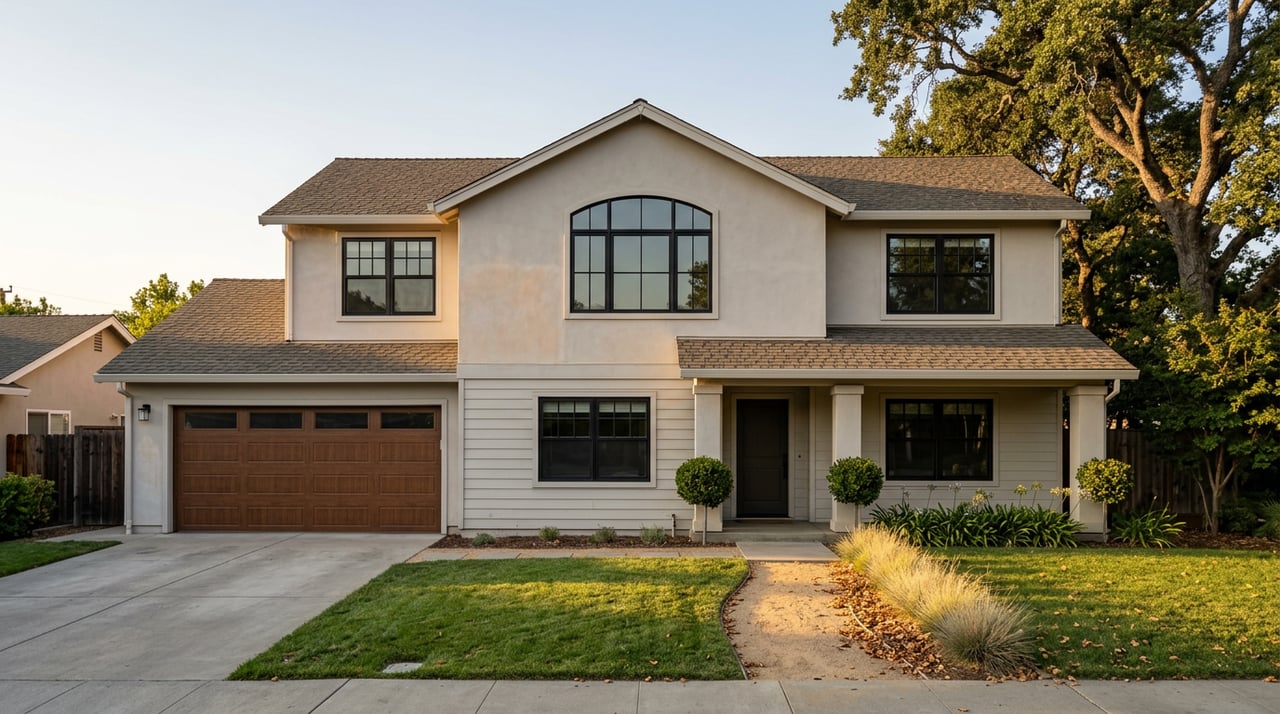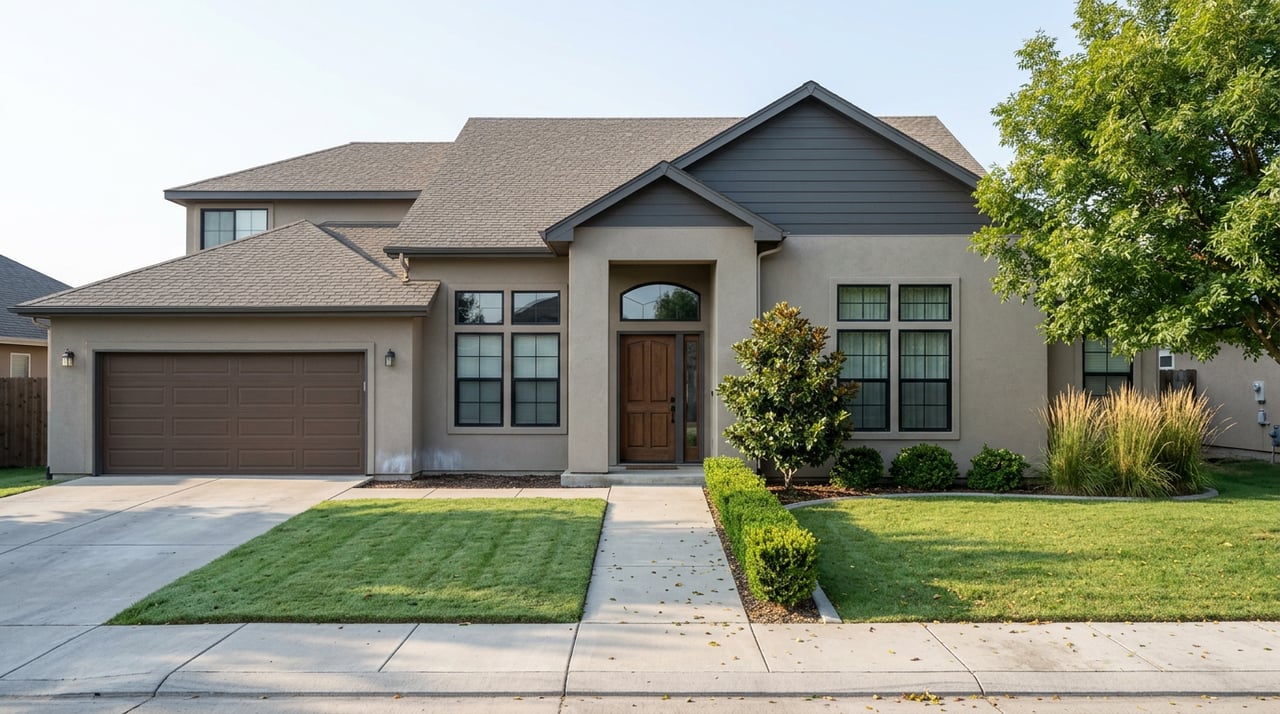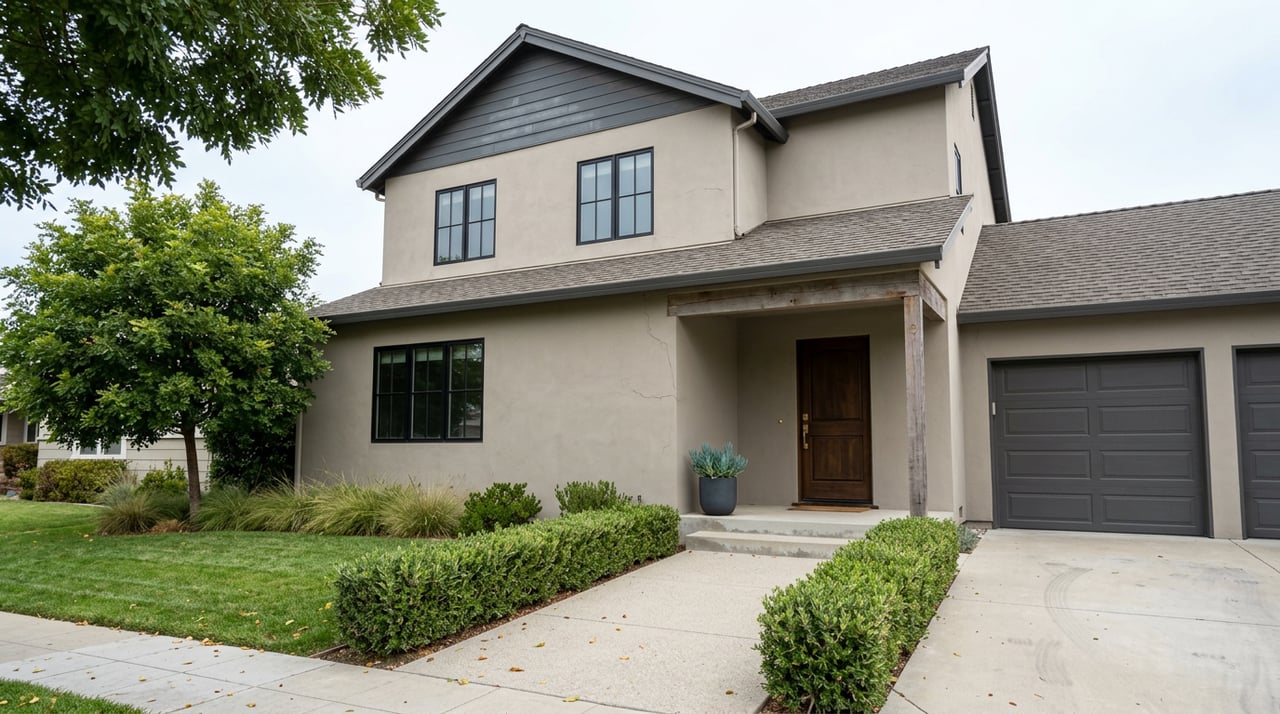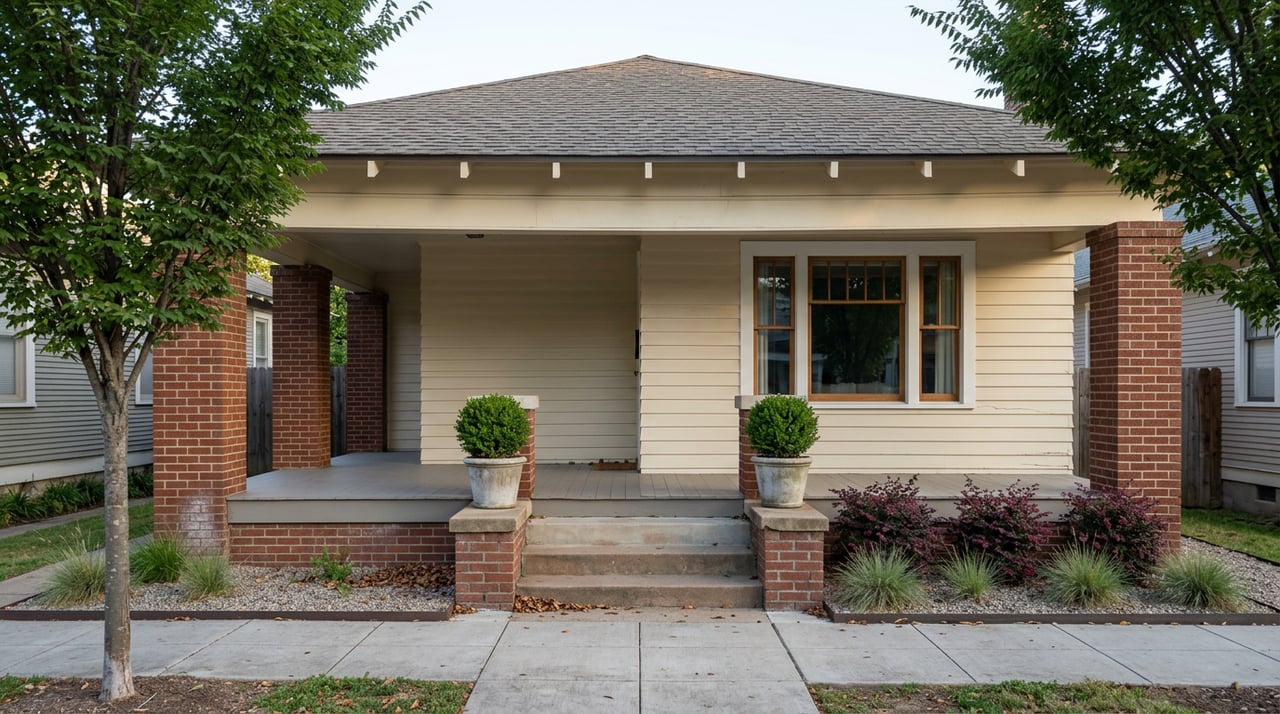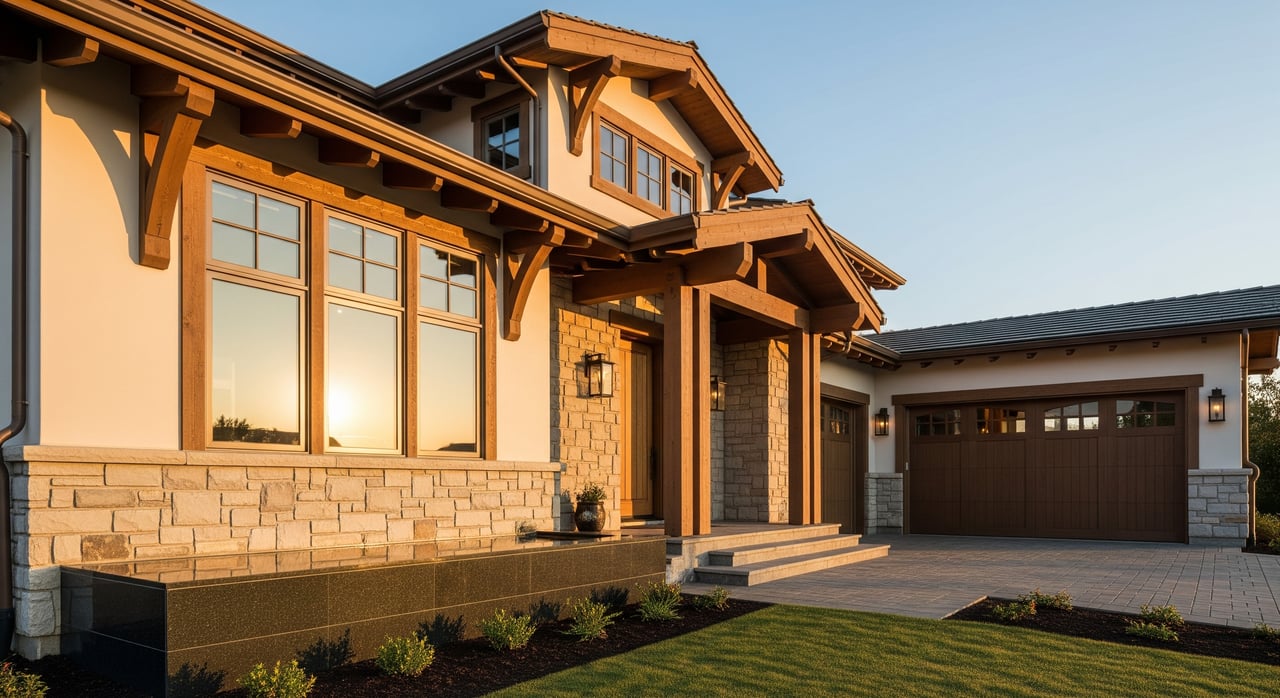
Touring homes in Granite Bay and trying to tell great bones from good staging? You are not alone. In this foothill community, lot size, build quality, and long-term maintenance can vary a lot from street to street. In this guide, you will learn the common Granite Bay home styles, what materials and systems you are likely to see, simple quality checks to use during showings, and how to plan a smart maintenance budget. Let’s dive in.
Granite Bay at a glance
Granite Bay is an established suburb on the western Placer County foothills of the Sacramento region. You will see a mix of custom estates, semi-custom homes, and tract developments from the 1990s and 2000s. Many lots are larger, and some homes sit on slopes or near wildland, so drainage and wildfire readiness matter for long-term value.
Typical buyer priorities in this area include:
- Lot size, privacy, and outdoor living
- Quality of construction and finishes
- Long-term maintenance for pools, irrigation, and mechanical systems
- Resilience to wildfire and seismic events
Before you write an offer, it is common to review permit history for additions, pool installs, major remodels, and solar. Placer County’s Building Division maintains permit records, and many local contractors work within county standards.
Home styles you will see
Custom and older semi-custom estates
You will find larger lots, bespoke floor plans, and mature landscaping. Many homes include pools, detached garages, and higher ceilings.
- Exterior: Stucco is common, often with stone or masonry accents. Roofs range from composition shingles to concrete or clay tile on higher-end builds.
- Foundation: Slab-on-grade is typical, but hillside or view lots may use raised foundations or stem walls. Watch for visible foundation cracks at grade.
- Windows and doors: Older homes may still carry single-pane or early double-pane windows in wood or aluminum frames. Higher-end properties may have vinyl or wood-clad replacements.
- Interiors: Expect hardwood floors, custom cabinetry, natural stone counters, built-ins, and fireplaces. Mechanical systems may be original or partially updated.
- Systems: Copper or CPVC plumbing is common. Very old homes might have galvanized lines. Electrical service can vary from 100 amp in older properties to 200 amp after upgrades.
1990s–2000s semi-custom and tract homes
These homes sit on moderate lots with more uniform floor plans. Open layouts became common in the late 1990s and into the 2000s.
- Exterior: Stucco predominates, with some fiber cement siding on newer builds. Roofs are usually asphalt composition shingles, with some concrete tiles.
- Foundation: Mostly slab-on-grade on flatter tracts; hillside locations may use raised foundations with retaining walls.
- Windows and doors: Factory-installed double-pane windows are typical. Frames are often vinyl or aluminum clad.
- Interiors: You will see engineered hardwood or laminate, tile in wet areas, and builder-grade cabinetry and fixtures. Higher-tier packages may include granite or solid-surface countertops.
- Systems: Many neighborhoods have 200 amp electrical service, central HVAC with AC, and tank water heaters. Later builds and remodels may add PEX plumbing or tankless water heaters.
Contemporary renovations and upgrades
Many Granite Bay homes have been refreshed over the last two decades. Common updates include:
- Kitchens and baths with granite or engineered stone, new cabinets, and recessed lighting
- Roof replacements with architectural shingles or tile
- Solar PV systems; verify permits and documentation
- Window upgrades to modern double or triple pane
- HVAC replacements with high-efficiency units, plus tankless water heaters and PEX retrofits
- Seismic retrofits on older homes, such as foundation bolting and bracing
Build-quality cues at showings
A showing is your chance to spot signals that affect value, risk, and budget. Use these simple checks and note items to discuss with your inspector if you pursue the home.
Structure and foundation
- Look for horizontal or stair-step cracks in foundations or masonry. Hairline plaster cracks are common, but wide gaps or displaced sections are red flags.
- Test doors and windows for sticking, which can suggest settlement.
- Ask about crawlspace or attic access if you do not see it. Lack of access or vents is a follow-up item.
- Inspect retaining walls and slopes for tilting, leaning fences, bulging soil, or stressed vegetation.
Roof, walls, and windows
- Roofs: Age is key. Asphalt shingles commonly last about 20 to 30 years. Tile roofs can last longer, but look for broken tiles or failing underlayment. Note patched areas, sagging, moss, or staining.
- Stucco: Hairline cracks can be normal, but soft or spongy areas may indicate moisture issues. If EIFS is present, proper drainage details matter.
- Windows: Fogging between panes signals failed seals. Check sills for rot and frames for damage. Single-pane glass in older homes reduces efficiency and resilience.
- Flashing and eaves: Missing or deteriorated flashing at roof-to-wall transitions, chimneys, and vents is a common leak source.
Mechanical systems
- HVAC: Find the unit label for age. Uneven cooling or odd odors suggest service needs. Older systems tend to have shorter remaining life.
- Water heater: Identify type and age. Tank units often last 8 to 12 years; tankless may last 15 to 25 years with proper maintenance.
- Electrical: Check the main panel for amperage. Many newer homes have 200 amp service. Older 100 amp panels may limit future upgrades. Watch for fused panels, double taps, or painted-over labels.
- Plumbing: Copper, CPVC, and PEX are modern standards. Galvanized steel in older homes can corrode and reduce pressure. Stains, corrosion, or leaks merit further review.
- Sewer and septic: Many suburban homes are sewer-connected, but larger or rural-feeling lots may have septic. If the line is older clay or trees are nearby, a sewer scope is a smart follow-up.
Interiors and finishes
- Flooring: Solid hardwood can often be refinished; engineered hardwood and laminate have different wear profiles. Review any refinishing records.
- Cabinetry and trim: Full-overlay doors, dovetail joints, and soft-close hardware signal higher quality compared to basic builder-grade boxes.
- Countertops: Stone and engineered stone are durable. Inspect seams, edges, and undermount sink areas for water intrusion.
- Paint and trim: A full repaint can refresh a home, but also note paint quality and whether it may be covering repairs.
Site, landscaping, and pools
- Drainage: The grade should move water away from the foundation. A common practice is about 6 inches of drop over the first 10 feet. Watch for pooling, planters against walls, or soil higher than the slab.
- Irrigation: Overwatered beds next to the house can lead to moisture issues. Drip systems in shrub beds are often preferable to sprays.
- Pools: Check equipment age and condition, deck cracking, and any signs of soil movement around the pool.
- Trees: Large trees near the home can impact foundations, gutters, and wildfire fuel load.
Wildfire readiness
Granite Bay’s foothill setting means wildfire and embers are a consideration. Look for:
- Defensible space: Clear, lean materials within 0 to 5 feet; reduced vegetation from 5 to 30 feet
- Roof and vent screening: Ember-resistant vents and spark arrestors on chimneys
- Home hardening: Noncombustible siding, dual-pane windows, and screened soffits add resilience
Lifespans and budgets
A realistic plan avoids surprise costs and supports better offers. Use these ranges and notes to shape your budget.
Typical service life ranges
- Roofs: Asphalt architectural shingles about 20 to 30 years. Concrete or clay tiles can last 50 years or more with proper underlayment and flashing.
- HVAC: Often 12 to 20 years with regular service.
- Water heaters: Tank units about 8 to 12 years. Tankless often 15 to 25 years with maintenance.
- Exterior paint or stucco refresh: Roughly 5 to 15 years depending on exposure and quality.
- Windows: Double-pane units often 15 to 30 years before seal failure reduces performance.
- Plumbing: Copper, CPVC, and PEX generally last decades. Galvanized steel may be 40 plus years but can fail earlier. Clay sewer lines can last for decades though roots and joints are risks.
- Electrical panels: Can function indefinitely if safe and adequate, though obsolete components or low amperage may prompt upgrades.
- Decks and exterior wood: About 10 to 20 years depending on materials and upkeep. Composites often last longer.
- Pools: Equipment often 8 to 15 years. Plaster and finishes vary. Shell cracking risk rises on slopes where soils move.
Budget planning for Granite Bay buyers
- Ask for system ages and service records for roof, HVAC, water heater, windows, and pool equipment.
- Expect higher near-term reserves for older homes. It is common to plan a multi-year reserve, with many financial guides suggesting 1 to 3 percent of home value per year for maintenance, adjusted to your property’s features.
- Add recurring costs for pools, mature landscaping, vegetation management, and insurance when you are near wildland areas.
Permits and due diligence
A clear paper trail increases confidence and helps you avoid costly surprises. These steps are common in Granite Bay.
Local resources to consult
- Placer County Building Division for permit records and requirements for remodels, additions, pools, and solar
- Cal Fire Fire Hazard Severity Zone maps and local defensible space rules to understand wildfire risk
- Placer County Planning Department and municipal sources for HOA rules and community standards
What to verify before an offer
- Permit history for additions, structural changes, pools, major electrical or plumbing upgrades, and solar installations
- Utility capacity and upgrades, including electrical service size, gas lines for appliances, and solar interconnection status
- Maintenance records, warranties, and receipts for major replacements like roof, HVAC, water heater, windows, and solar
When to bring in specialists
- Full home inspection, plus pest and dry rot review in areas with heavy irrigation or wood elements
- Sewer scope if the home is older or there are large trees near the line
- Pool or spa inspection for equipment, structure, and deck conditions
- Geotechnical consult for steep slopes, tall retaining walls, or any signs of settlement
Value, risk, and negotiation
Quality and condition influence both long-term value and your negotiation power. A newer roof or HVAC can reduce your near-term out-of-pocket costs. Strong drainage, wildfire-ready landscaping, modern windows, and permitted upgrades add confidence and market appeal. On the other hand, signs of settlement, aging systems near end of life, or unclear permit history may justify price adjustments or repair credits.
If you want a calm, inspection-minded process with clear numbers, you can work with a local advisor who looks at both the spreadsheet and the site. With a finance-first lens and hands-on property assessment during showings, you can make offers that protect your budget and your future resale.
Ready to tour Granite Bay with a smarter checklist and a trusted advocate by your side? Connect with Rajan George to get a consultation and a plan tailored to your goals.
FAQs
What roof types are common in Granite Bay and what should I check?
- Expect asphalt shingles and concrete or clay tiles. Note age, broken or missing pieces, sagging, moss or staining, and any signs of failing underlayment on tile roofs.
How do I assess wildfire risk and defensible space in Granite Bay?
- Look for clear, noncombustible space within 0 to 5 feet of the home, reduced vegetation from 5 to 30 feet, ember-resistant vents, and proper chimney spark arrestors.
What foundation types are typical in Granite Bay and what are red flags?
- Most homes use slab-on-grade, while hillside lots may have raised foundations or stem walls; wide horizontal or stair-step cracks, tilting retaining walls, and sticking doors or windows merit follow-up.
For 1990s–2000s homes in Granite Bay, which systems may be near end of life?
- Roofs, HVAC, and water heaters may be aging based on installation dates; verify ages and service history and budget for replacements where timelines are approaching.
Should I order a sewer scope for a Granite Bay home?
- Yes if the home is older or trees are near the line; clay pipes can last for decades but are prone to root intrusion and joint issues.
What permits should I review before buying in Granite Bay?
- Check permits for additions, structural changes, pools, solar, and major electrical or plumbing upgrades, then confirm final sign-offs and warranty documentation where available.