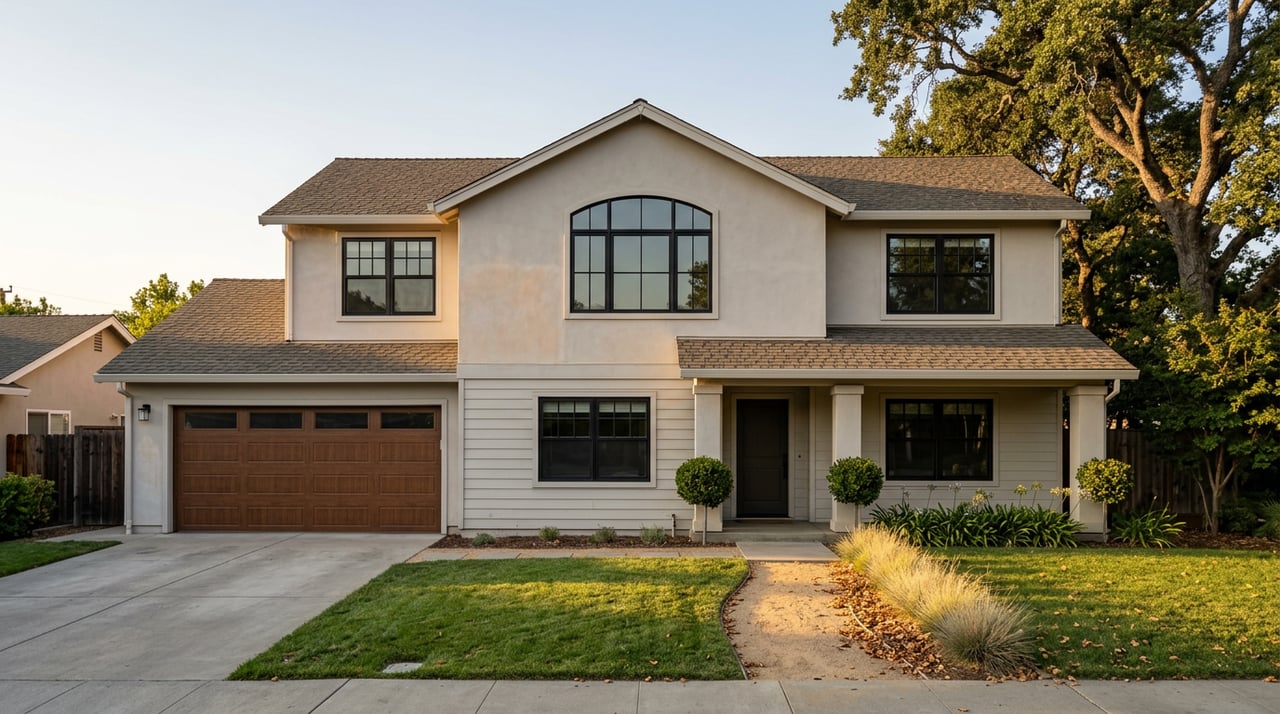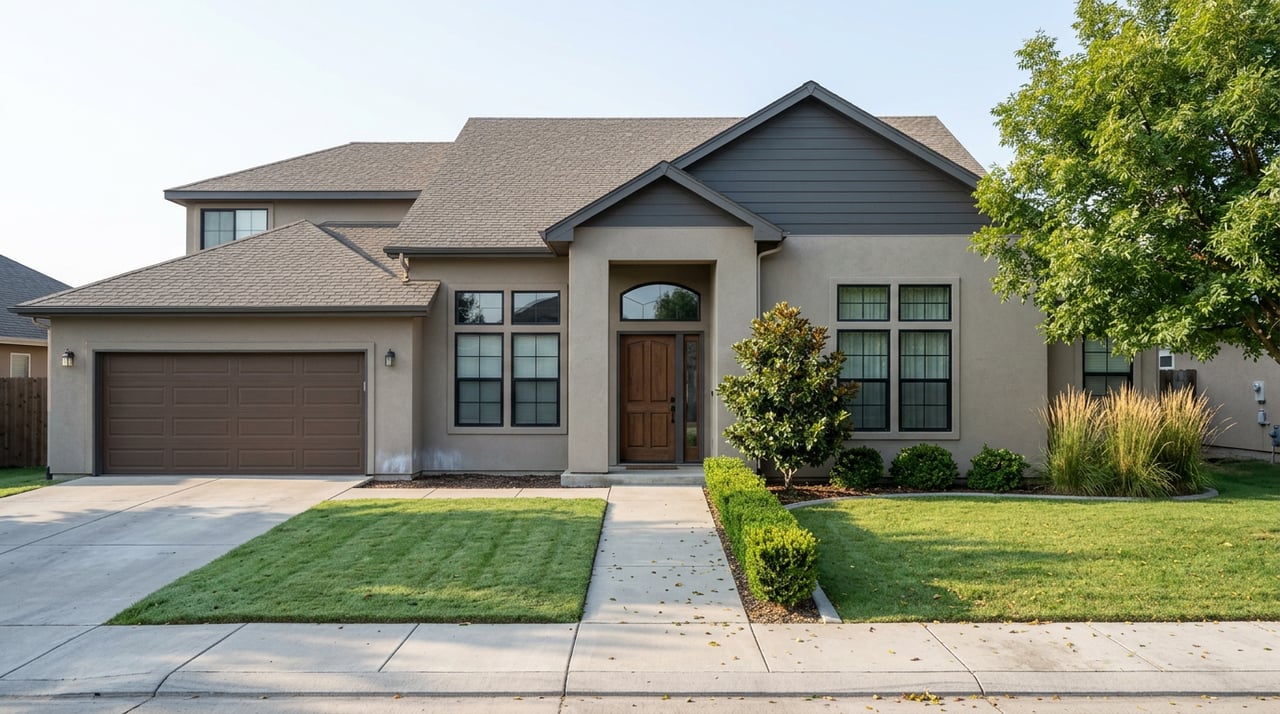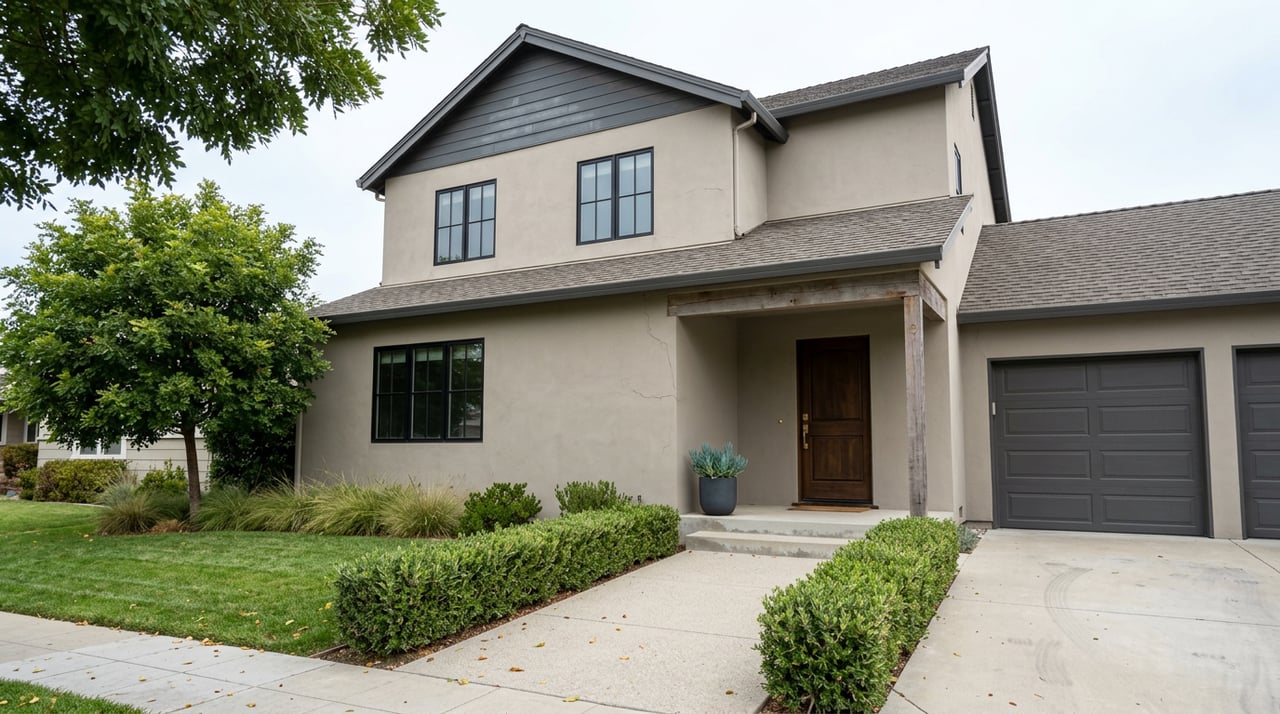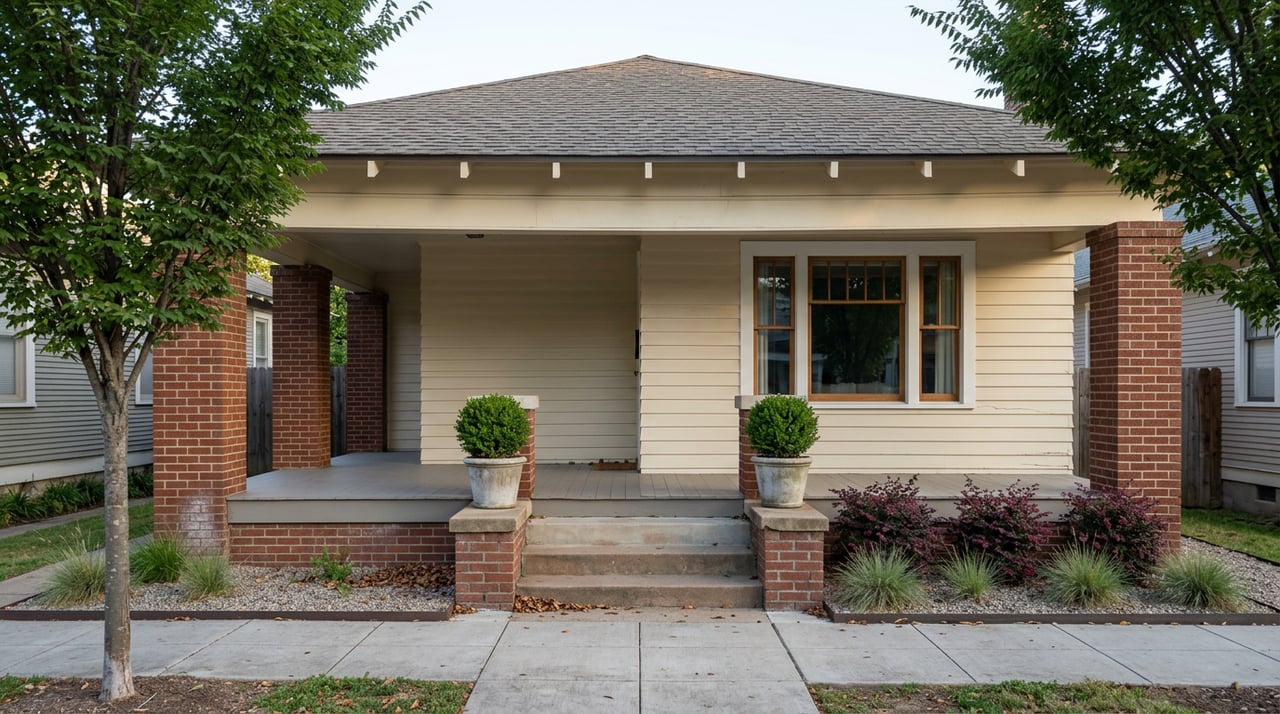
Ever spot a beautiful Folsom home and then freeze when you see “Mello‑Roos” on the tax bill? You are not alone. Special taxes can be confusing, and they matter for your monthly budget and long‑term plans. In this guide, you will learn what Mello‑Roos is, how it shows up on your Sacramento County property tax bill, how to estimate your true monthly payment, and what to check before you write an offer. Let’s dive in.
What Mello‑Roos means for you
Mello‑Roos is the common name for special taxes levied by Community Facilities Districts, or CFDs, formed under California’s Community Facilities Act of 1982. Cities and counties use CFDs to fund infrastructure and sometimes services that support new growth, such as roads, sewers, drainage, parks, public safety facilities, and school‑related improvements.
A CFD tax is a special tax tied to the parcel. It is not the 1 percent ad valorem property tax under Proposition 13. The amount can be set as a flat charge, a rate tied to lot size or use, or a formula that allocates costs among parcel types.
Many CFDs issue bonds to pay for improvements up front. The special tax then repays those bonds. Some districts end the tax when bonds are fully repaid. Others continue levies for ongoing services based on the district’s legal documents.
Many CFD taxes increase annually by a fixed percentage or by a CPI factor. The escalation rules are spelled out in the district’s tax formula and official statements.
How it shows on your tax bill
In Sacramento County, CFD special taxes appear as separate line items on the secured property tax bill. You will typically see a district name or number next to a “special tax,” “special assessment,” or “Community Facilities District” description linked to your parcel.
The annual property tax bill is issued with two installments, commonly due around November 1 and February 1. CFD charges follow that same schedule and are collected with the county tax bill.
If your lender escrows taxes, the monthly escrow portion will usually include the CFD amount. This means the special tax is part of your total monthly mortgage payment.
The special tax becomes a lien on the property and stays with the parcel at resale. In certain districts, a seller can prepay or buy down the obligation, but that depends on the CFD’s legal documents and bond terms. Most resales transfer the obligation to the next owner.
You will typically see CFD information in the preliminary title report and the seller’s disclosures. Official details live in the CFD’s formation resolutions and offering documents.
Where you will see it in Folsom
In Folsom, CFDs are commonly used in newer, master‑planned areas to fund infrastructure and amenities required for new development. You are most likely to encounter active CFDs in large new communities such as Folsom Ranch and parts of Empire Ranch.
Older, established neighborhoods are less likely to have Mello‑Roos unless they were part of a bonded improvement district at the time of development. Always verify for a specific parcel.
Amounts vary widely. In California master‑planned communities, special taxes can range from a few hundred dollars per year to several thousand dollars per year. Each district sets its own rates and escalation rules, so do not assume two nearby homes have similar charges.
Estimating your true monthly cost
Use this simple method to see the real, all‑in monthly payment impact of Mello‑Roos:
- Get the current annual CFD amount.
- Ask the seller for the most recent Sacramento County tax bill or pull the parcel’s bill from county records. Locate the line for the Community Facilities District special tax.
- Convert to a monthly figure.
- Divide the annual CFD by 12. If you escrow, this is typically what is added to your monthly payment for the CFD portion.
- Build your full monthly housing payment.
- Add together:
- Monthly principal and interest based on your loan terms.
- Monthly property tax portion. A quick estimate is 1 percent of assessed value divided by 12, separate from any special tax.
- Monthly CFD amount you calculated.
- HOA dues, if any.
- Homeowners insurance and mortgage insurance, if applicable.
- Project escalations.
- If the district’s tax increases by a fixed percentage or CPI each year, apply that schedule to your monthly CFD estimate to see how it could change over time.
A quick hypothetical
- Purchase price: $600,000
- Loan amount and terms: example 30‑year fixed at 4.5 percent → monthly P&I about $2,433
- Ad valorem property tax: roughly 1 percent of price → $6,000 per year → $500 per month
- CFD special tax example: $2,400 per year → $200 per month
- HOA dues: $200 per month
- Estimated total monthly housing cost: $2,433 + $500 + $200 + $200, plus insurance and any mortgage insurance
These numbers are illustrative. Always use the parcel’s actual CFD levy and your lender’s current terms.
Comparing listings with and without Mello‑Roos
When two homes look similar, compare the total monthly cost, not just the list price.
- Convert each home’s annual CFD to a monthly amount and add it to the payment estimate. For example, a $2,400 annual CFD equals about $200 per month.
- Consider the long‑term cost. Multiply the annual CFD by the number of years you expect to own, while accounting for any annual escalations.
- Use the monthly difference as a reference point during negotiations. Some sellers may price with the special tax in mind. Ask for clarity on the escalation schedule and any prepaid amounts.
Mortgage, appraisal, and resale impacts
Lenders treat recurring special taxes as part of your housing expense when calculating your debt‑to‑income ratio. A higher CFD can reduce the loan amount you qualify for if income is tight.
If your loan has an escrow account, expect prorated tax funds for both ad valorem and CFD charges to be collected at closing, then paid monthly into escrow.
Appraisers consider special taxes because they affect affordability and marketability. If two otherwise similar homes differ on Mello‑Roos, comparable sales may be adjusted to reflect those differences.
CFDs transfer with the property and can influence a future buyer pool and pricing. Some districts allow prepayment or payoff procedures, but these are governed by the bond documents and are not common in typical resales. Do not assume a seller can eliminate a special tax at closing without specific payoff terms.
Deductibility rules for special taxes are complex and can differ from ad valorem property taxes. Consult a tax advisor or CPA regarding your situation.
Buyer checklist: what to get and who to call
Doing your homework up front prevents surprises. Use this practical checklist.
Documents to request before you offer
- Most recent property tax bill showing the current CFD levy
- Preliminary title report confirming the special tax lien
- Seller disclosures and any HOA documents that reference special assessments or bond obligations
- CFD official statements or formation documents that disclose maximum rates, formulas, bond status, and escalation rules
Parties to contact for clarity
- Sacramento County Treasurer‑Tax Collector to verify the exact levy and payment schedule for the parcel
- City of Folsom Finance or the City Clerk for CFD formation documents, annual special tax reports, and bond information
- Your title company to confirm how the CFD will be handled at closing
- Your lender to confirm escrow treatment and underwriting impact on qualifying
- A CPA or tax advisor for guidance on potential deductibility
Questions to ask the seller or listing agent
- Is this parcel inside a CFD? If yes, what is the current annual special tax and the escalation schedule?
- Has any portion been prepaid? Are there pending changes, such as new bonds or increased levies?
- Will the seller consider pricing or credits to account for the special tax?
Quick comparison method for two homes
- List monthly principal and interest for each home using the same down payment and rate assumptions.
- Add monthly property tax at about 1 percent of assessed value divided by 12.
- Add the monthly CFD amount for each parcel.
- Include HOA and insurance. Compare the totals to judge affordability.
Smart moves for new‑construction buyers
CFDs are common in newer, master‑planned Folsom communities because they fund the infrastructure that supports growth. If you are shopping new builds, go beyond the brochure.
- Ask for the current annual CFD levy, the maximum tax, and the escalation schedule for the specific lot type.
- Request the district’s official statements or formation documents so you can see bond status and rules in writing.
- Compare multiple floor plans and lots. The special tax formula can vary by parcel class or lot size.
- Build the monthly CFD into your payment and verify with your lender how it affects qualifying.
Work with a finance‑forward local guide
You deserve clear numbers and practical guidance, not guesswork. With a finance and accounting background plus hands‑on property assessment, I help you find the right Folsom home and understand the full cost of ownership, including Mello‑Roos. From pulling tax bills to modeling monthly payments and coordinating with title and lenders, you get a calm, data‑driven process start to finish.
If you are weighing homes in Folsom Ranch, parts of Empire Ranch, or established neighborhoods without special taxes, let’s compare them side by side. Reach out to Rajan George to get a clear plan and move confidently.
FAQs
What is Mello‑Roos and why does it exist?
- It is a parcel‑based special tax created under California’s Community Facilities Act of 1982 to fund infrastructure or services, often in newer master‑planned areas.
How will I see Mello‑Roos on my Sacramento County tax bill?
- It appears as a separate line item labeled as a special tax or Community Facilities District charge, billed with your regular secured property taxes.
Do most new homes in Folsom have Mello‑Roos?
- Many newer subdivisions do, especially in master‑planned communities, but not all; verify the parcel’s tax bill and district documents.
Can a seller pay off the CFD before I buy?
- Possibly, but prepayment depends on the district’s legal documents and bond rules; it often requires specific payoff procedures and is not typical in standard resales.
Will the special tax go away over time?
- It can end when bonds are repaid, but some districts levy taxes for ongoing services, which can continue until changed by the district’s governing rules.
How does Mello‑Roos affect my mortgage approval?
- Lenders include recurring special taxes in your debt‑to‑income ratio, which can reduce your maximum loan amount if your budget is tight.