Thinking about trading Bay Area prices for more space in Sacramento? For many buyers, that move can mean a very different housing budget, a different daily routine, and a new way to narrow down neighborhoods. If you are planning a move, it helps to know what really changes once you get here. Let’s dive in.
Sacramento housing costs feel different
The biggest shift for most Bay Area movers is housing. According to the U.S. Census Bureau QuickFacts for Sacramento, the city’s median value of owner-occupied homes is $506,300.
That compares with $1,233,200 in San Jose, $1,394,500 in San Francisco, and $929,900 in Oakland. Sacramento is not a cheap market by national standards, but it often gives you more house for the payment than you may be used to in the Bay Area.
Monthly costs show a similar pattern. Sacramento reports median selected monthly owner costs with a mortgage of $2,380 and median gross rent of $1,779, while San Francisco and San Jose both report $4,000+ in owner costs, and Oakland is at $3,684.
For many buyers, that changes the conversation from simply asking, “Can we afford to buy?” to asking, “What kind of home and lifestyle do we want?” That is often the biggest emotional shift in a relocation.
Expect more space for your money
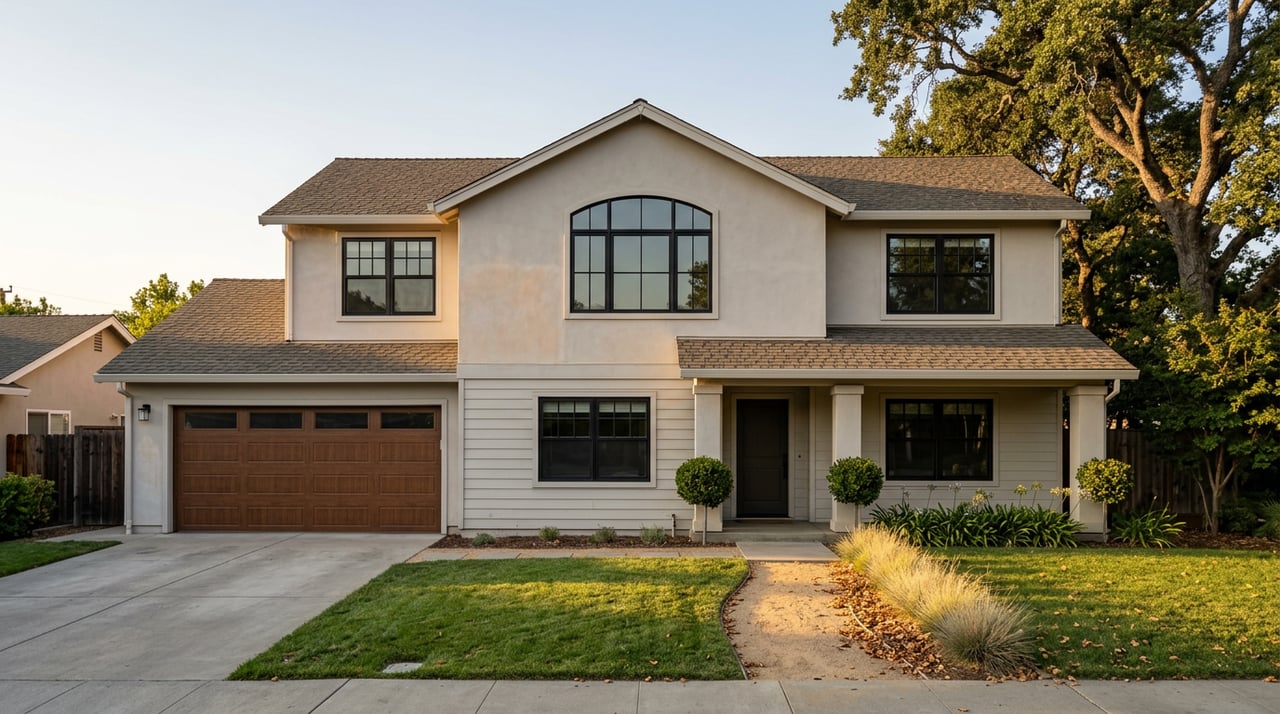
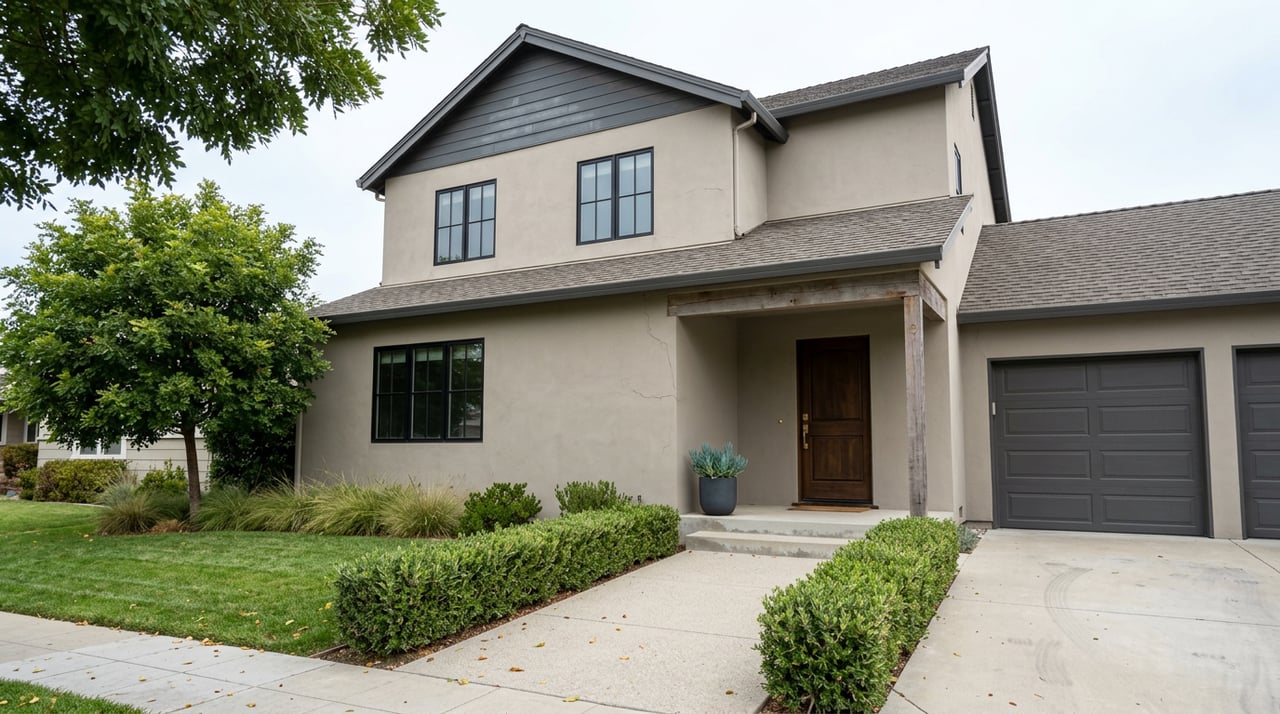
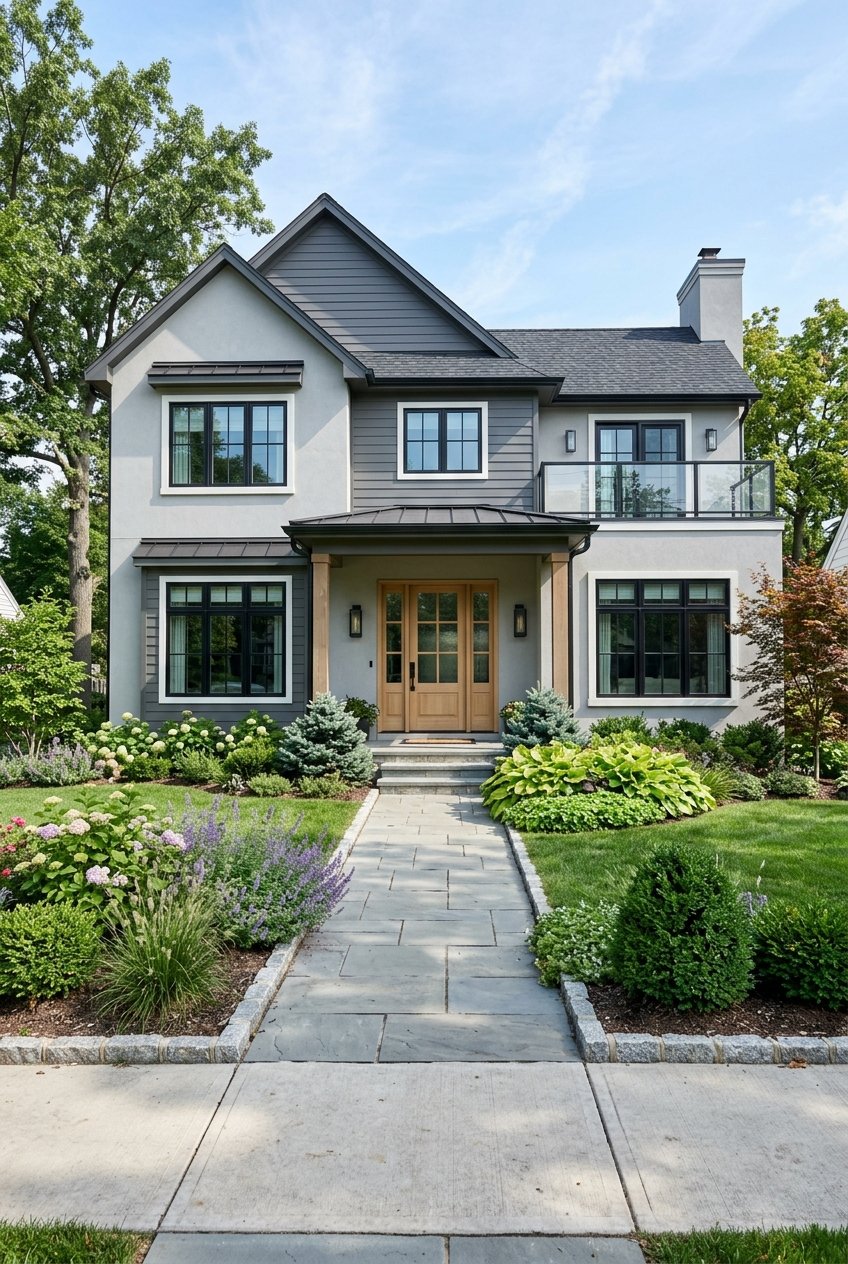
One of the main reasons people relocate from the Bay Area to Sacramento is the chance to buy more space. In practical terms, that can mean a larger single-family home, a yard, extra bedrooms, or simply more breathing room between homes.
That does not mean every Sacramento neighborhood feels suburban or spread out. The city offers a range of housing choices, from established central neighborhoods with older homes to newer-growth areas with larger tracts and more recent construction.
If you are moving from a condo, townhouse, or smaller lot in the Bay Area, Sacramento may open up options that feel more flexible for everyday life. That can be especially helpful if you want space for a home office, guests, hobbies, or a changing household routine.
Sacramento neighborhoods vary a lot
A Bay Area move to Sacramento works best when you match your day-to-day priorities with the right part of the city. Neighborhood feel, housing style, and commute patterns can change quickly from one area to another.
East Sacramento feels established and close-in
East Sacramento is one of the city’s classic established neighborhoods. The city’s plan says it is largely built out, with about 75 percent single-unit housing and 25 percent multi-unit housing.
The same plan notes that home purchase and rental prices are relatively higher than Sacramento overall. If you want a close-in location with an established housing stock and access to the city core, East Sacramento is often part of the conversation.
Land Park and Curtis Park feel traditional
Land Park, Curtis Park, and South Land Park are often compared by buyers looking for traditional residential areas inside the city. The Land Park Community Plan describes these neighborhoods as having tree-lined streets, local shops, and many pre-World War II development patterns.
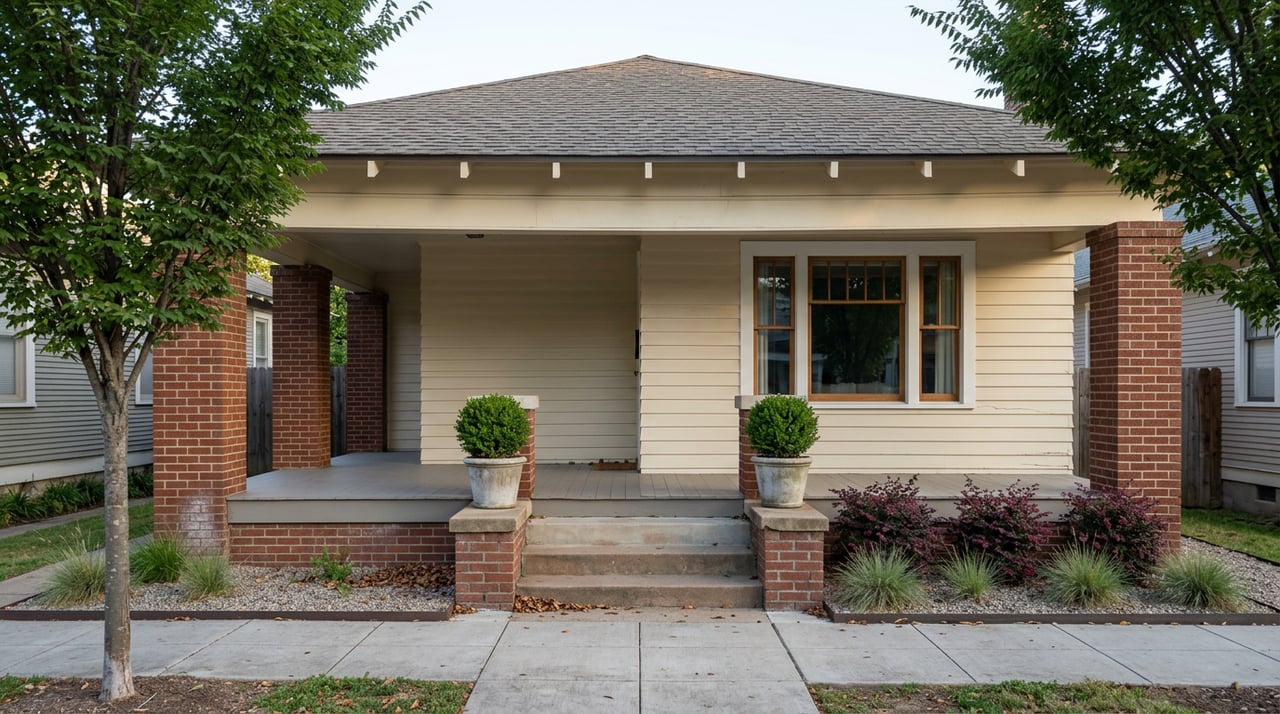
If you are drawn to older homes and established street layouts, these neighborhoods may feel very different from newer suburban tracts. They offer a more classic residential setting within Sacramento proper.
Midtown offers the most urban lifestyle
If you want the most urban feel, Midtown and the Central City are the clearest fit. The Central City Specific Plan describes the area as an active city center with housing, jobs, services, and amenities, along with apartment and mixed-use development.
This is usually where buyers look when they want a more compact, close-in lifestyle. If you are used to denser city living, this part of Sacramento may feel the most familiar.
Pocket and Greenhaven feel residential
Pocket/Greenhaven is a common option for buyers who want a more residential feel while staying within Sacramento city limits. The city’s planning vision highlights parks, community centers, bus service along major routes, and access to walking and biking paths.
For buyers who want Sacramento addresses with a quieter residential rhythm, this area often stands out. It can be a useful middle ground between the central city and farther-out growth areas.
Natomas offers newer-growth options
Natomas is one of the clearest newer-growth areas inside Sacramento city limits. The city says the area has grown rapidly since the mid-1990s and includes extensive residential, office park, and retail development.
Natomas is also near two major freeways and the airport, and the city notes that it still has more than 1,000 acres of undeveloped land for future growth. If your priority is newer construction or a more modern subdivision-style setting, Natomas is often one of the first places buyers compare.
Older homes versus newer construction
One of the biggest decisions in a Sacramento move is whether you want character and location, or newer design and layout. Sacramento proper often gives you established neighborhoods, older housing stock, and a more central location.
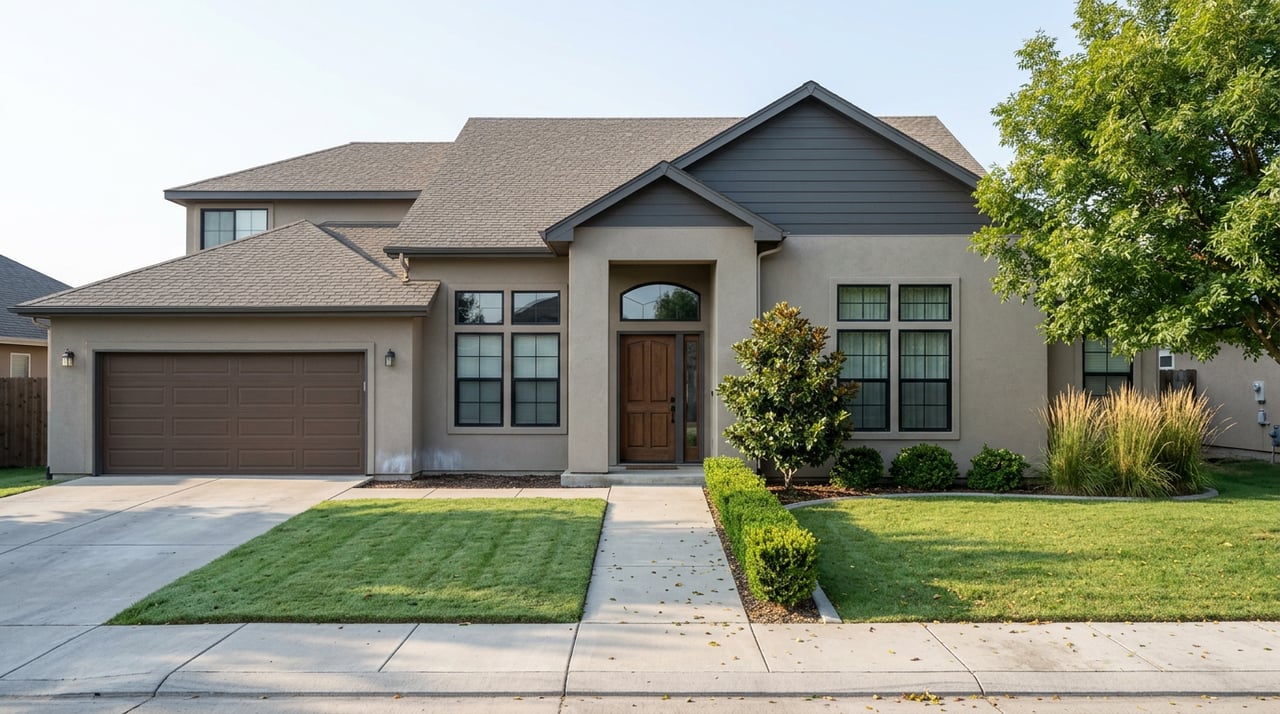
By contrast, newer-growth areas such as Natomas tend to offer the kind of inventory many Bay Area buyers picture when they think about “getting more house.” That can include newer floor plans, larger residential tracts, and development patterns built around driving and newer retail centers.
Neither option is automatically better. It depends on how you weigh commute, lot size, home age, maintenance, layout, and long-term fit.
Commutes usually become more car-oriented
Many Bay Area movers notice this change right away. Sacramento can still offer transit, walking, and biking in certain close-in neighborhoods, but day-to-day life is usually more car-centered.
According to the U.S. Census Bureau QuickFacts for Sacramento, the city’s mean travel time to work was 25.3 minutes in 2020-2024. Sacramento County’s active transportation plan reported that 77.2 percent of workers drove alone, 10.2 percent carpooled, and 2.5 percent used transit, with an average commute time of 28 minutes.
By comparison, the Metropolitan Transportation Commission reported a 30-minute Bay Area average commute in 2023, with transit commuters averaging 50 minutes. In real life, that means your Sacramento move may bring shorter trips, but often with more reliance on your car.
Why location still matters for daily life
Even in a more car-oriented region, location matters a lot. East Sacramento’s plan highlights bus and light-rail connections along with strong walking and biking networks.
The Land Park plan notes that the South LRT line connects the area with South Sacramento and the Central City. Natomas, on the other hand, stands out for freeway access and proximity to the airport.
If you are moving from the Bay Area, this is a good reminder that commute planning in Sacramento often revolves around drive times, access routes, parking, and school-run logistics. A home that looks great on paper may feel very different once you test the daily routine.
School searches are address-specific
For many relocating buyers, this is one of the most important things to understand early. In the Sacramento region, school assignment often depends heavily on the exact property address.
Sacramento City Unified says it offers dual immersion, International Baccalaureate, Public Waldorf, STEAM schools, and college-and-career pathways. Other nearby districts work the same way on boundaries and assignment, including Natomas Unified, San Juan Unified, Elk Grove Unified, and Folsom Cordova.
That means broad assumptions are not enough when you are house hunting. If schools are part of your decision, you will want to confirm assignment details for each specific address you are considering.
What Bay Area buyers should plan for
A smooth relocation usually starts with clear expectations. Sacramento often offers more attainable housing, more space, and more single-family options, but it also asks you to think differently about commuting, neighborhood tradeoffs, and exact home location.
Before you move, it helps to focus on a few practical questions:
- Do you want an established central neighborhood or a newer-growth area?
- How important are home age and condition?
- How much daily driving are you comfortable with?
- Do you need to verify school assignment for a specific address?
- Are you looking for the most space, the shortest drive, or the most urban setting?
When you get those answers clear, your Sacramento search becomes much easier to narrow down.
The bottom line on relocating
Moving from the Bay Area to Sacramento is usually not just a price decision. It is a lifestyle tradeoff that often brings more home for the money, more space in many neighborhoods, and a more car-centered routine.
If you want help comparing neighborhoods, weighing older homes against newer construction, or narrowing down the right fit for your budget and daily life, Rajan George can guide you through the Sacramento market with a practical, data-driven approach.
FAQs
What should Bay Area buyers expect from Sacramento home prices?
- Sacramento home prices are generally much lower than San Francisco, San Jose, and Oakland, with Census data showing Sacramento’s median owner-occupied home value at $506,300.
Which Sacramento neighborhoods are common for Bay Area relocations?
- Buyers often compare East Sacramento, Land Park, Curtis Park, South Land Park, Midtown, Pocket/Greenhaven, and Natomas because they offer very different housing styles and daily routines.
Is Sacramento more car-dependent than the Bay Area?
- Yes. Sacramento commuting is generally more car-oriented, with most workers driving alone and average commute times that are often shorter but less transit-focused.
How do school assignments work in Sacramento-area districts?
- School assignment is often based on the exact home address, so you should verify boundaries and enrollment options for each property you are considering.
Is Natomas a good option for newer homes in Sacramento?
- Natomas is one of the city’s main newer-growth areas, with significant residential development, retail, office space, freeway access, and room for future growth.