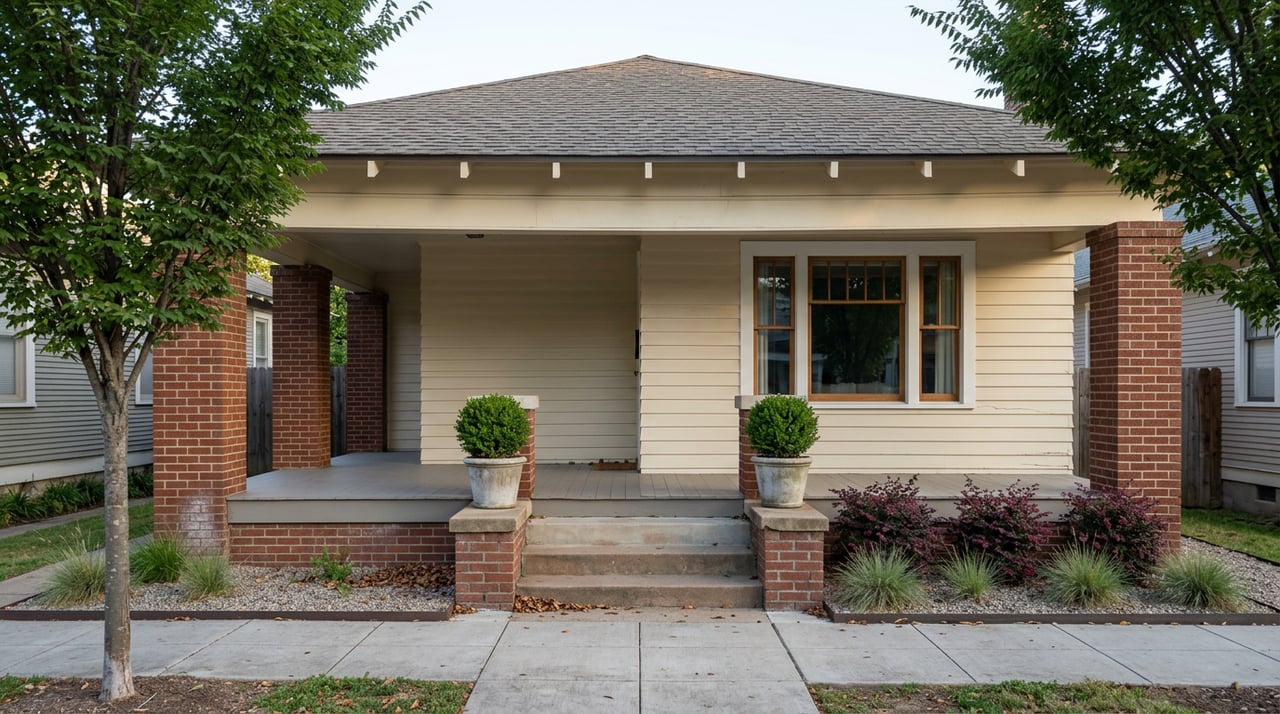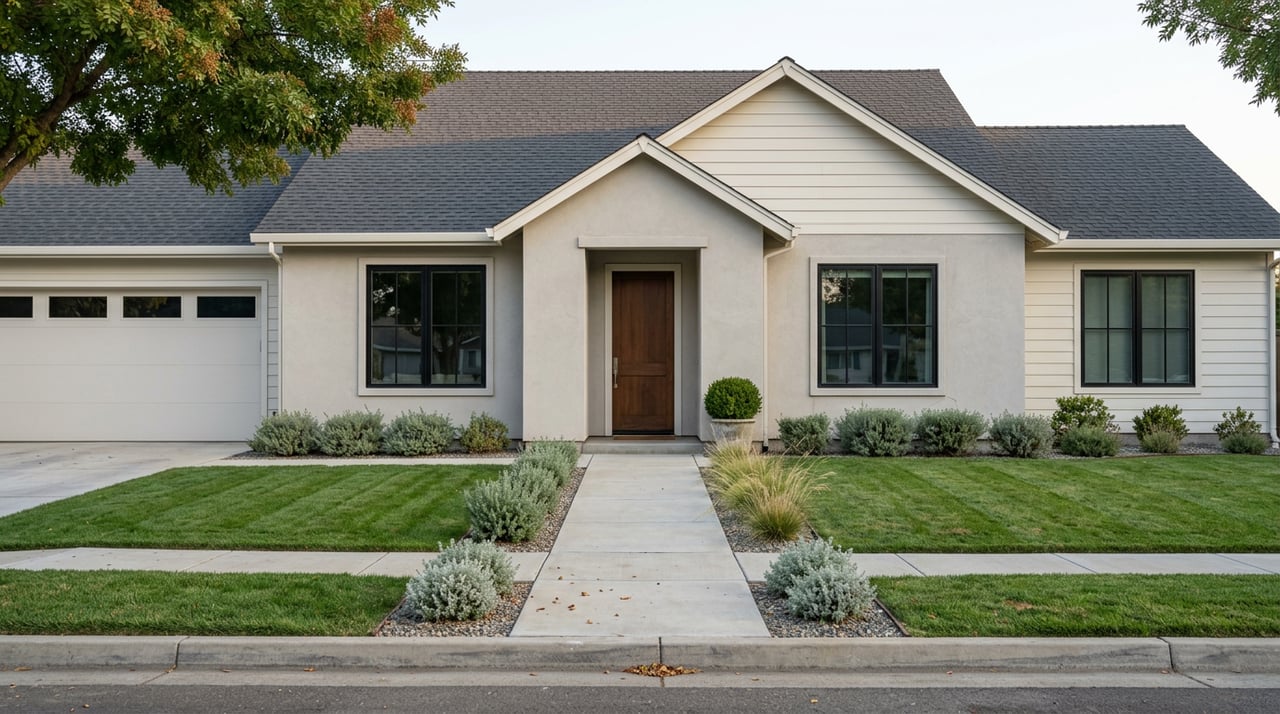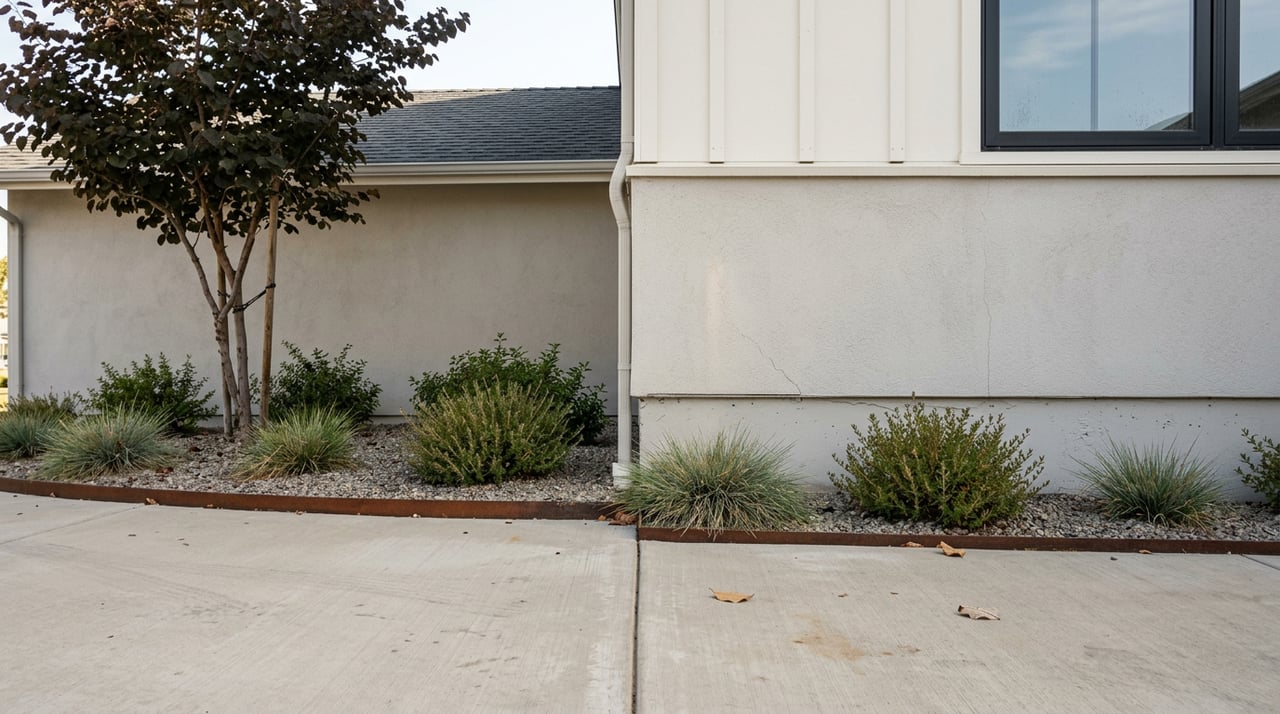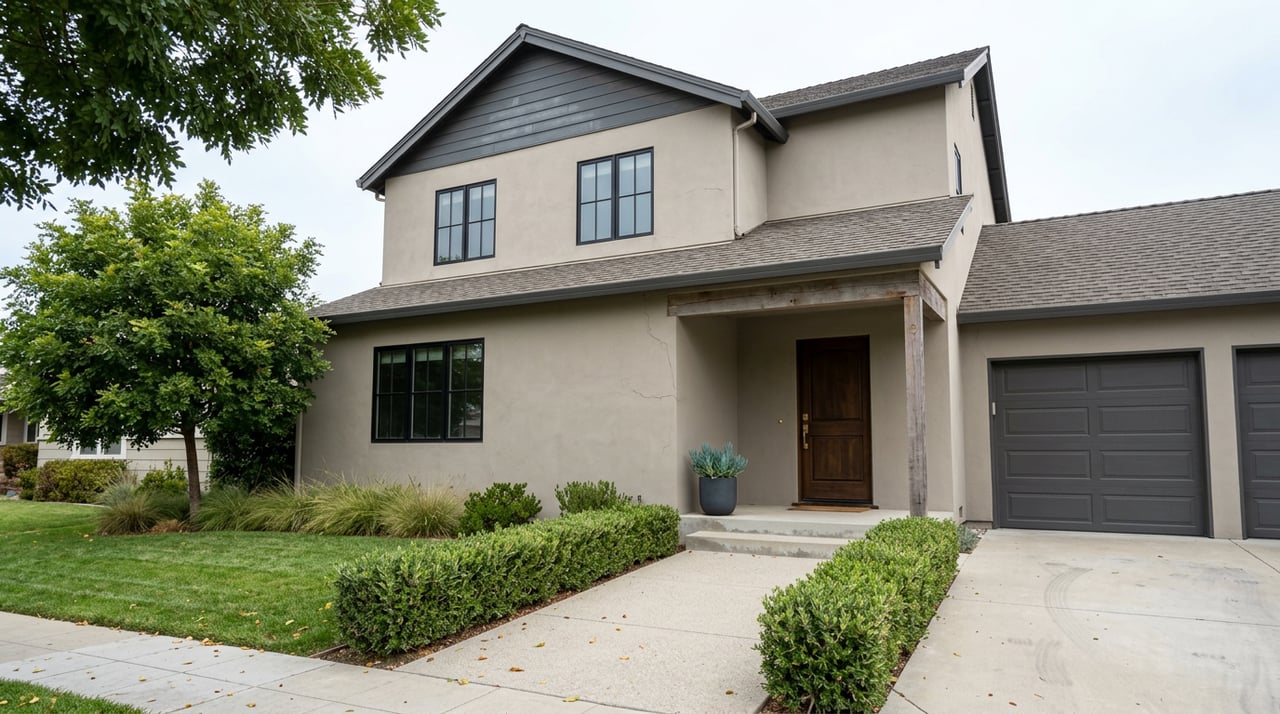
Picture two Elk Grove listings sitting on the same page of search results this week. Same asking price, same square footage, same four bedrooms. One sits in a stretch of newer construction south of Whitelock Parkway. The other sits a few miles north, closer to School Street and Old Town. On paper they look identical. On your mortgage statement, they won't be.
The difference isn't finish quality or lot size. It's a line item most buyers don't read until escrow: the Mello-Roos special tax tied to the parcel, not the house. And in Elk Grove, that line item can vary by thousands of dollars a year depending on which side of a boundary your future front door sits on.
The Line Item That Doesn't Show Up in the Search Filter
Elk Grove's growth over the past two decades happened the way most of Sacramento County's suburbs grew: through Community Facilities Districts, known by their shorthand, Mello-Roos. When a builder needed roads, sewer lines, parks, or school sites for a new subdivision, the city or district financed it with bonds, then repaid those bonds through an annual special tax on every parcel inside the development. That tax rides along with the regular property tax bill, separate from the 1 percent base rate under Proposition 13, and it stays with the parcel until the bonds are retired.
Here's the part that actually moves a household budget. In Elk Grove's newer 95757-area developments, including construction built out around the Ridge and Madera Meadows, annual Mello-Roos assessments commonly run $2,000 to $4,500 a year. In the older sections of 95758, many parcels carry little to no remaining Mello-Roos at all, because those bonds were issued decades ago and are further along toward payoff or already retired.
Run that through a monthly lens and it stops being an abstraction. A $3,000 annual CFD assessment adds roughly $250 to your monthly housing cost before you've paid a dollar of principal or interest. That's real money in a debt-to-income calculation, and it's money a listing photo will never show you.
Why "The Elk Grove Median" Is an Average of Three Different Cities
Ask for the median home price in Elk Grove and you'll get an answer somewhere in the $625,000 to $680,000 range as of summer 2026, depending on which month and which data source you're looking at. That number is accurate. It's also close to useless on its own, because it's averaging across at least three distinct submarkets that don't behave the same way.
The older core. Along School Street and through Old Town, homes sit on larger, more varied lots with architecture that predates the master-planned era. Many of these parcels were built before the current wave of CFDs existed, which is part of why this corridor tends to carry lighter or nonexistent Mello-Roos obligations.
The active master-planned zone. Laguna Ridge, built out through subdivisions like Madeira East, Madeira West, and Madeira Ranch, along with newer developments such as The Grove near Whitelock Parkway and Bruceville Road, represents the bulk of Elk Grove's current new-construction activity. Homes here get open floor plans, higher ceilings, and proximity to the newer District56 civic hub, and they carry the CFD obligations that come with recently issued infrastructure bonds.
The premium tier. Stonelake, built around a private clubhouse and a string of man-made lakes near the Stone Lakes National Wildlife Refuge, and Laguna West, Elk Grove's original lake-and-front-porch community, both command prices well above the citywide median, with Stonelake listings recently trending just under $1 million. At the top end, the Grant Line Road corridor in the city's southeast corner, bordering the Cosumnes River preserve, carries a median price around $1,573,000, or roughly $487 per square foot, according to a recent breakdown of Elk Grove's highest-value suburbs. That single corridor alone is enough to pull the citywide average upward even though it represents a small slice of total inventory.
Blend those three tiers into one number and you get a median that doesn't describe any specific street. It describes an average of a $500,000 entry-level home, a $950,000 lake-view property, and a $1.5 million estate lot, none of which are competing for the same buyer.
| Area | General Character | Typical Mello-Roos Status |
|---|---|---|
| School Street / Old Town corridor | Older, larger and more varied lots, walkable to the historic plaza | Little to none remaining on most parcels |
| Laguna Ridge (Madeira East/West/Ranch), The Grove | Newer construction, master-planned, near District56 | Active CFD assessments common in newer 95757 sections, roughly $2,000-$4,500 per year |
| Laguna West, Stonelake | Lake-amenity communities, upper-mid to near $1 million | Varies by build date and phase, verify per parcel |
| Grant Line Road corridor | Estate lots bordering the Cosumnes River preserve, highest median in the city | Varies by parcel, verify individually |
The Pricing Behavior That Proves the Point
The clearest evidence that Elk Grove isn't one market shows up in how differently similar-looking homes perform. A home priced around $580,000 in a strong Laguna-area location can draw multiple offers within days. A comparable home in a less sought-after pocket of the city, priced closer to $540,000, can sit on the market well past a month. Citywide days-on-market averages smooth that difference into a single number, but the buyers competing for the first home and the buyers waiting out the second one are living in two different markets that happen to share a mailing address.
A home priced right for its specific street doesn't just sell faster. It sells at a number that actually reflects what that particular pocket of Elk Grove is worth, not what the citywide average implies it should be worth.
This is exactly the kind of gap a purely data-driven pricing approach is built to catch. Comparable sales pulled from within half a mile and the last 90 days tell a very different story than a citywide average, and that half-mile radius is often where the real price ceiling or floor actually sits.
What This Means If You're Comparing Two Listings
Before you compare two homes on price alone, pull the actual current-year secured property tax bill for each parcel, not just the listing sheet. Look specifically for a Mello-Roos or CFD line item separate from the base 1 percent tax. If you can't get the tax bill directly, the preliminary title report will show any recorded special tax lien, and MLS remarks sometimes flag it, though not always with the dollar amount attached.
A useful general primer on how these assessments are structured and why they don't decline as your home appreciates is available through CalcLogix's California property tax guide, which walks through the mechanics of Prop 13, Prop 19, and Mello-Roos side by side. The short version that matters for your monthly budget: a fixed $2,000 to $4,500 annual assessment does not shrink because your home's market value rises. It stays roughly flat, or moves with whatever escalator formula was written into the original bond documents.
A short checklist before you write an offer:
- Pull the current secured property tax bill for the specific parcel, not a neighborhood average
- Confirm whether the CFD is bond-repayment only or also funds ongoing services, since that affects whether the tax could step down over time
- Ask your lender to run debt-to-income with the CFD included as a fixed annual cost, the same way they'd treat HOA dues
- Compare two homes on total monthly carrying cost, not list price alone, before deciding which one is the better value
What This Means If You're Selling
If your home sits in one of Elk Grove's older sections with little to no remaining Mello-Roos, that's a genuine selling point worth stating plainly in your listing, not burying in the disclosures. Buyers who've already been surprised once by a CFD assessment on a different showing will notice.
If your home sits in a newer development with an active CFD, get ahead of the question. Have the current annual amount and the bond's expected payoff timeline ready before your first showing. A buyer who understands the number early treats it as a manageable line item. A buyer who discovers it during underwriting treats it as a reason to renegotiate.
Either way, the fix is the same: price to the half-mile radius that actually competes with your home, not to the citywide median that's blending your street with Grant Line Road on one end and School Street on the other.
The Number Worth Getting Right Before You Offer or List
Elk Grove's citywide numbers tell you the city is healthy. They don't tell you what a specific parcel will actually cost you to carry, month over month, for as long as you own it. That number lives in the tax bill, not the headline.
Rajan George works Greater Sacramento's suburban markets with a finance and accounting background built specifically for this kind of comparison, pulling actual tax bills, running real carrying-cost math, and pricing against the half-mile radius that matters instead of the citywide average that doesn't. If you're weighing two Elk Grove neighborhoods, or wondering what your current home would actually net after accounting for its specific CFD status, reach out to Rajan George for a free home valuation and a clear look at the real numbers behind the listing price.