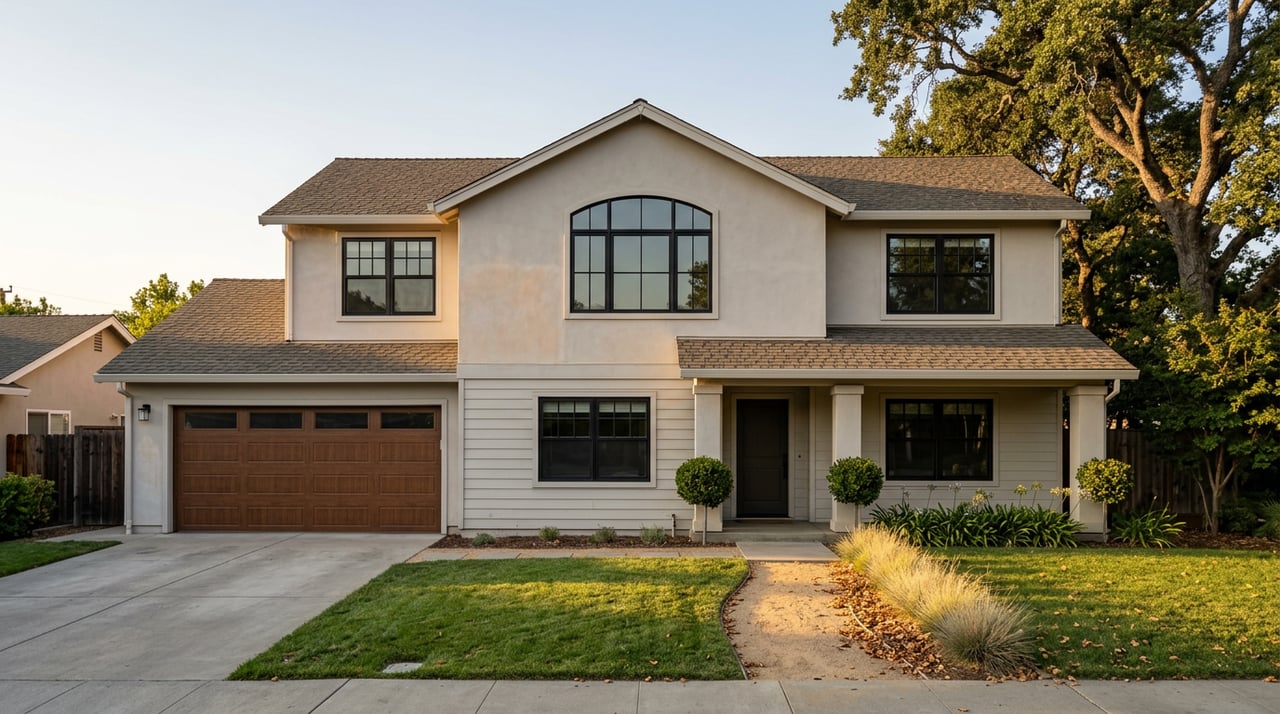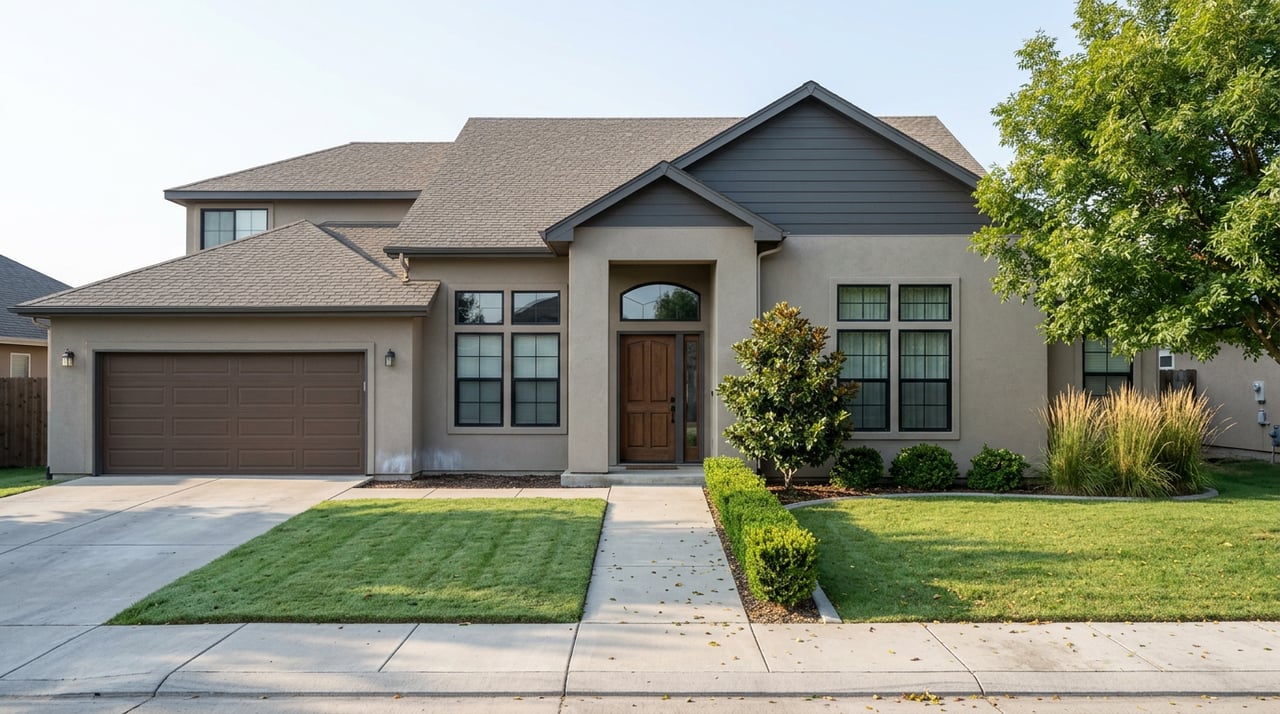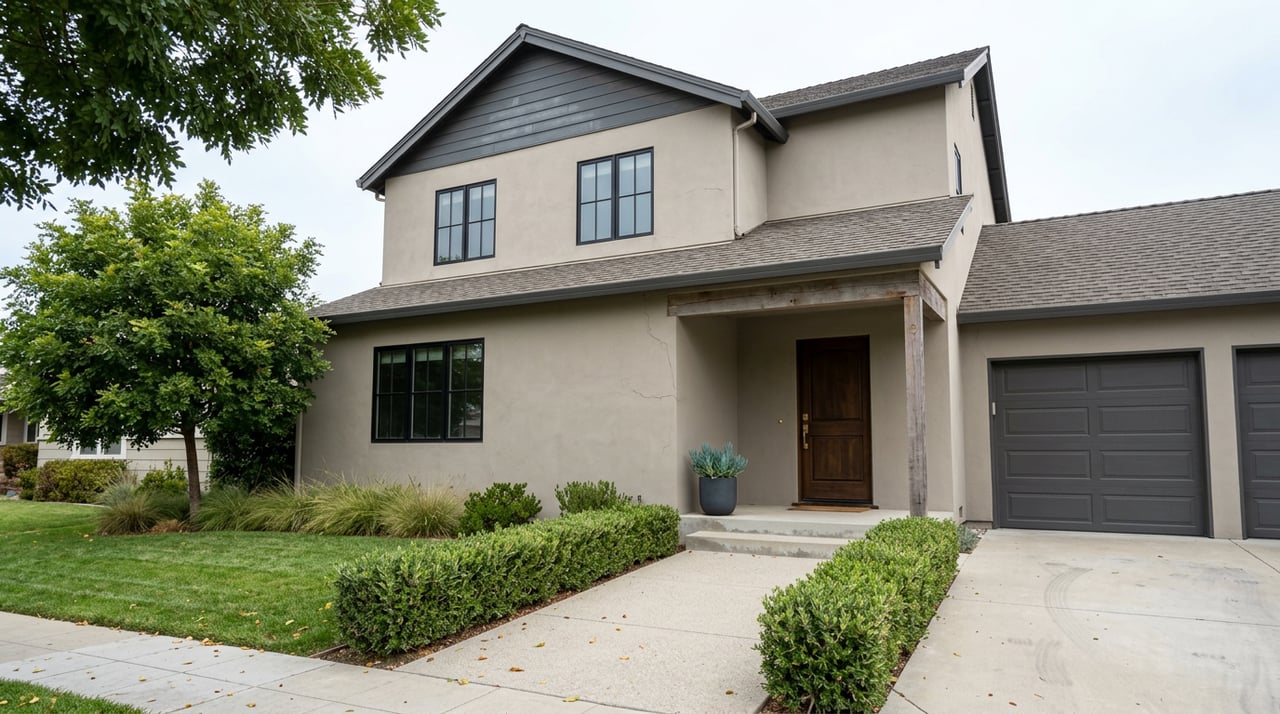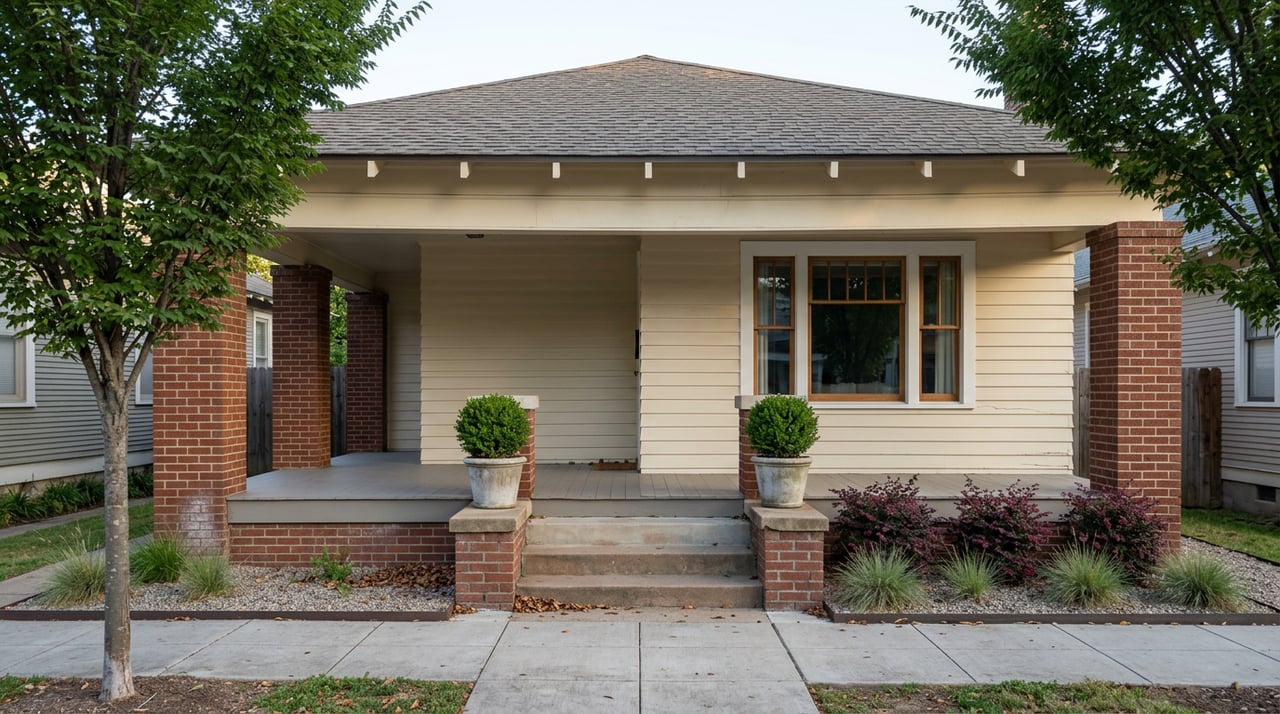
Trying to choose between a shiny new build in Folsom Ranch or a character-filled resale north of Highway 50? You are not alone. Many Folsom buyers weigh price, monthly costs, yard size, warranties, and timing before deciding. In this guide, you will get a clear, side-by-side look at how new construction and resale homes compare in Folsom, plus a practical checklist you can use when touring homes. Let’s dive in.
Folsom market snapshot
Folsom’s typical home value has hovered in the mid $700Ks in early 2026, with Redfin and Zillow snapshots showing medians near $740K to $750K. That gives you a solid benchmark, but neighborhood medians can vary a lot by subdivision and proximity to amenities. Recent Redfin figures also show days on market around the multiple-weeks range, about 44 days in January 2026. The city’s mean commute time is about 26.6 minutes, which many buyers factor into neighborhood choice.
New construction: what you get
New homes in Folsom Ranch and Russell Ranch offer modern layouts, energy-efficient systems, and builder warranties. Floor plans tend to emphasize open great rooms, larger kitchens, and flexible lofts or offices. California’s Title 24 energy rules mean most new low-rise homes include solar or are solar-ready, along with other efficiency upgrades.
New build tradeoffs
- Special taxes (Mello-Roos/CFDs): Many lots south of Highway 50 carry a parcel-based special tax that helps fund new infrastructure. Typical examples in Folsom Ranch often run about $300 to $500 per month depending on the district and lot. Always verify the exact parcel’s current Sacramento County tax bill and the CFD Rate & Method of Apportionment.
- HOA dues: New master-planned areas commonly have HOAs that range from about $100 to $350 per month depending on amenities like clubhouses, pools, gates, or front-yard maintenance.
- Lot size: Many product lines in recent phases optimize for efficiency, with typical lots around 4,500 to 9,000 square feet. Some communities include zero-lot-line homes or shallower yards.
- Active construction: Expect ongoing building, plus phased delivery of parks, schools, and retail. Confirm the city’s and builder’s timeline if immediate access to amenities matters to you.
Resale homes: what you get
Established Folsom neighborhoods offer mature trees, more varied architecture, and often larger lots. It is common to find parcels 7,000 square feet and up, including examples near Historic Folsom that span 7,000 to 14,000 square feet. Many older areas have no HOA, and recurring special taxes can be lower than in new districts, which can help your monthly budget.
Resale tradeoffs
- Maintenance and systems: You may face near-term updates for roofs, HVAC, or windows. Factor inspections and reserves into your plan.
- Energy features: Older homes may not meet the latest energy code, though many have been upgraded over time.
- Warranties: Resales usually do not include builder warranties. You can add a third-party home warranty, but it is different from a builder-backed program.
Your all-in monthly payment
When you compare a new build to a resale, look beyond list price. Build a realistic monthly budget that includes:
- Mortgage principal and interest for your down payment and rate.
- Base property tax, generally about 1% of assessed value in California plus voter-approved bonds and local assessments.
- CFD/Mello-Roos special tax for applicable parcels in south-of-50 communities. Use the parcel’s current year tax bill, not an estimate.
- HOA dues for amenities and maintenance, if applicable.
- Homeowner’s insurance and any mortgage insurance.
How CFDs work in Folsom
A Mello-Roos Community Facilities District is a parcel-based special tax that helps pay for infrastructure and services in new development areas. In the Folsom Plan Area (including Folsom Ranch and Russell Ranch), many new lots carry this special tax. The amount is parcel specific and shows as a separate line on the county tax bill. Lenders include the annual special tax in your escrow and debt-to-income calculations, which can reduce borrowing power compared to a similar home without a special tax.
HOA dues in practice
Dues vary by neighborhood and amenities. Some communities fund only common-area landscaping, while others include clubhouses, pools, gated entries, and even front-yard maintenance. Review CC&Rs, the HOA budget, and the latest reserve study to understand services and any history of special assessments.
Lot size, outdoor space, and neighborhood feel
If you prize yard depth, privacy, and future expansion potential, established Folsom neighborhoods often deliver. Larger lots can improve shade, allow for a pool or ADU potential, and offer more off-street parking. Newer communities tend to trade private yard size for community parks, trails, and open space. Decide how you want to use your outdoor space and match that to the lot type.
Quality, warranties, and the dispute process
California’s Right to Repair statute (often called SB 800) sets minimum construction standards for new residential homes, creates a required pre-litigation repair and inspection process, and defines timeframes for different defect categories. Most builders also give you written warranty coverage, commonly about 1 year for fit-and-finish items, limited periods for systems, and longer coverage windows for structural items that can span up to 10 years. Always read the builder’s warranty manual and understand how to submit claims.
For to-be-built purchases, ask for milestone walkthroughs such as pre-drywall and final punch list. If allowed by the builder, consider hiring an independent inspector for added peace of mind.
Timelines, appraisals, and financing
- Closing timeline: Resale closings are often 30 to 45 days after an accepted offer, depending on financing and inspections. Finished spec homes can close on a similar schedule. To-be-built homes can take months from contract to completion. Get the builder’s schedule and any extension clauses in writing.
- Appraisal risk: In early phases, lot premiums and upgrade packages can outpace available comps. This can create appraisal gaps. Strategies include requesting recent closed sales in the same phase, keeping upgrades aligned with market norms, and discussing appraisal-gap options with your agent and lender.
- Lender underwriting: Lenders will count any CFD special tax and HOA dues in your qualification. Make sure your pre-approval includes the exact current CFD amount for the lot you are considering.
Which path fits you?
- Choose new construction if you value low maintenance, modern energy features, and the confidence of a builder warranty. Be ready for special taxes, HOA dues, and active construction.
- Choose a resale if you want a larger lot, mature landscaping, and established neighborhood character. Plan for potential system updates and fewer built-in energy features.
- If you are timing sensitive, a finished resale or move-in-ready spec home usually closes faster than a to-be-built.
Folsom buyer checklist
Documents to request before you write an offer
- The parcel’s most recent Sacramento County secured property tax bill showing any CFD special tax lines.
- The CFD Rate & Method of Apportionment and continuing disclosures if a CFD applies, including escalation rules and estimated payoff.
- HOA CC&Rs, current budget, reserve study, and any history of special assessments.
- The builder’s written warranty and the SB 800 pre-litigation process instructions for that community.
- Recent closed sales in the same phase or improvement area for appraisal comparables.
- School assignment maps and the district’s published timeline for any planned schools in the community.
- A line-by-line all-in monthly cost estimate that includes P&I, base property tax, CFD special tax, HOA dues, insurance, and any MI.
Questions to ask the builder or seller
- Is this parcel in a CFD and what is the current annual special tax amount? Can I see the current county tax bill?
- What services are covered by the HOA, and what is the current budget and reserve funding?
- What is your process and timeline for punch-list items and warranty response after closing?
- What are the planned parks, schools, and retail, and what is the timeline for delivery?
- Can you provide recent closed comps for this phase to support appraisal value?
Next steps
Whether you are leaning toward a new build in Folsom Ranch or a resale near Historic Folsom, the best choice comes down to total monthly cost, yard and lifestyle priorities, and your risk tolerance for maintenance vs. construction-phase activity. If you want a clear, numbers-first side-by-side for specific homes and lots, along with an inspection-minded walkthrough, connect with Rajan George for local guidance. Buyer representation, new-construction consultation, and home valuations are available so you can move forward with confidence.
FAQs
What are typical Mello-Roos (CFD) amounts for new Folsom Ranch homes?
- Many parcels show examples around $300 to $500 per month, but you must verify the exact parcel on the current county tax bill and CFD documents.
How do HOA dues compare between new and older Folsom neighborhoods?
- New master-planned phases often range about $100 to $350 per month depending on amenities, while many older areas have no HOA.
Do new homes in Folsom include solar under current energy rules?
- California’s Title 24 typically requires PV or solar readiness and other efficiency features for most new low-rise homes, subject to code version and limited exceptions.
What warranties come with a new construction home in California?
- Builders usually offer written fit-and-finish coverage of about 1 year, limited periods for systems, and longer structural coverage, with SB 800 setting standards and a repair process.
How long does it take to close on a resale vs. a new build in Folsom?
- Resales often close in 30 to 45 days after acceptance, while to-be-built homes can take months depending on phase and builder schedule.
How big are lots in new Folsom communities vs. established areas?
- Many new lots run about 4,500 to 9,000 square feet, while established neighborhoods often offer 7,000 square feet and up with more mature landscaping.